Tips for Creating a Relaxing Home Office Environment
xygimau >> homo sapiens>> Tips for Creating a Relaxing Home Office Environment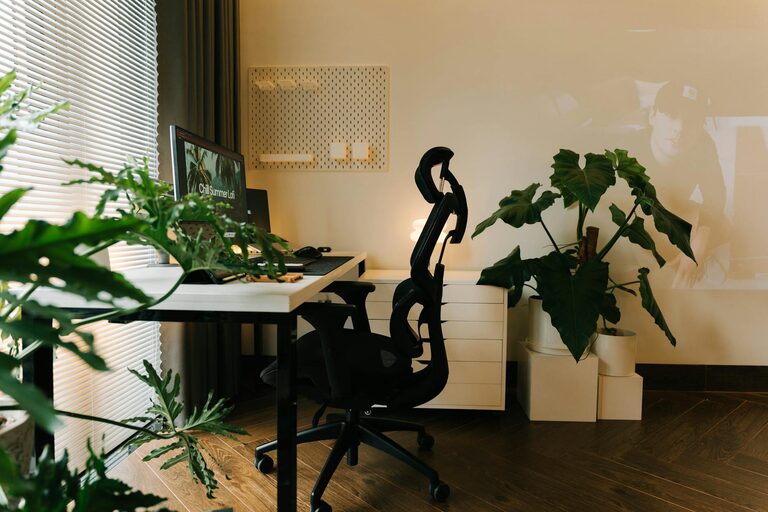
Tips for Creating a Relaxing Home Office Environment
Creating a relaxing home office environment is essential for maintaining productivity, reducing stress, and improving overall well-being while working from home. Since many people spend several hours at their desks each day, setting up a workspace that promotes calm and focus can make a significant difference in your work experience. In this article, we share practical tips to help you design a home office where relaxation and efficiency coexist.
Choose the Right Location
Your office’s location within your home plays a crucial role in how relaxing the space feels.
– Quiet Corner: Pick a spot away from high-traffic areas like the kitchen or living room.
– Natural Light: If possible, set up near a window to enjoy natural daylight, which can boost mood and reduce eye strain.
– Space Size: Choose a space that feels comfortable but not cramped. A dedicated room or a small nook can both work well if arranged thoughtfully.
Declutter and Organize
A cluttered desk can lead to a cluttered mind. Keeping your workspace tidy helps you focus and reduces feelings of overwhelm.
– Minimalist Approach: Only keep essentials on your desk. Store other items in drawers or shelves.
– Storage Solutions: Use organizers, trays, and filing systems to keep papers, cables, and supplies neatly arranged.
– Regular Cleanups: Dedicate a few minutes at the end of each day to tidy up your space.
Invest in Comfortable Furniture
Comfort is key to creating a relaxing office environment. The right furniture supports good posture and reduces physical strain.
– Ergonomic Chair: Choose a chair with adjustable height, lumbar support, and comfortable cushioning.
– Desk Height: Ensure your desk is the right height to keep your wrists, arms, and shoulders relaxed while typing.
– Footrest: Consider a footrest if your feet don’t comfortably reach the floor.
Use Soothing Colors
Colors influence emotions and energy levels. Selecting calming hues can promote relaxation and concentration.
– Soft Neutrals: Shades like beige, soft gray, or pale blue create a peaceful backdrop.
– Nature-Inspired Colors: Greens and earthy tones can bring a sense of calm and connection to nature.
– Personal Touch: Feel free to add a splash of your favorite calming color through accessories like cushions, rugs, or wall art.
Incorporate Greenery
Plants are known to improve air quality and add a refreshing touch to your environment.
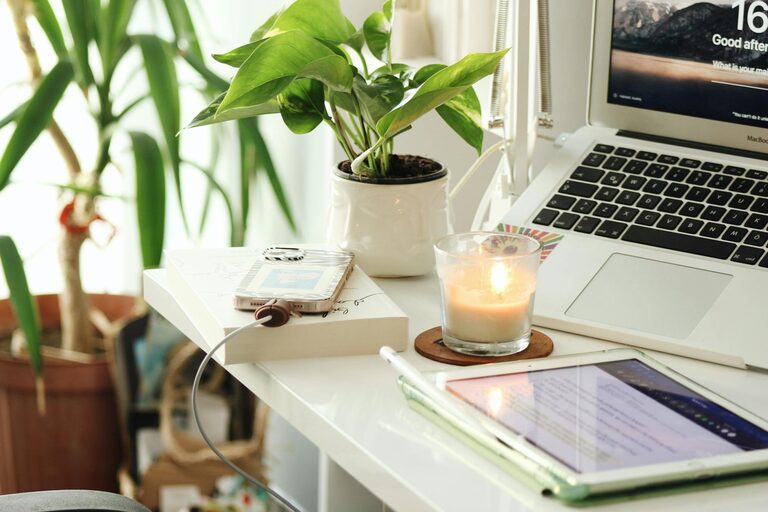
– Low-Maintenance Plants: Options like succulents, snake plants, or pothos require minimal care.
– Desktop Plants: Small pots fit easily on your desk without taking up much space.
– Larger Plants: If space allows, add floor plants to create a cozy, natural atmosphere.
Control Lighting
Good lighting reduces eye strain and creates a comfortable mood.
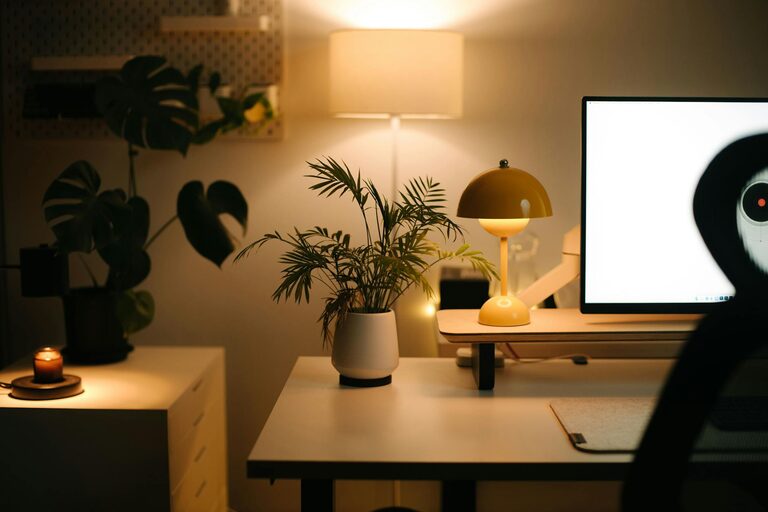
– Layered Lighting: Combine overhead light with task lighting like a desk lamp.
– Adjustable Brightness: Use lamps with dimmers or adjustable brightness to suit different times of day.
– Avoid Glare: Position your computer and lighting to minimize screen reflections.
Manage Noise Levels
Noise distractions can hurt focus and increase stress.
– Noise-Cancelling Headphones: Great for blocking out background noise, especially in shared spaces.
– Soft Background Sound: Playing gentle music, white noise, or nature sounds can promote concentration.
– Soundproofing: Consider rugs, curtains, or acoustic panels to reduce echo and external noise.
Personalize Your Space
Adding personal touches makes your workspace inviting and motivating.
– Photos and Artwork: Display images that inspire or relax you.
– Decorative Items: Choose items that bring joy without cluttering your desk.
– Scent: A subtle diffuser with calming scents like lavender or eucalyptus can enhance relaxation.
Take Breaks and Move
No matter how relaxing your space is, sitting for long periods isn’t healthy.
– Pomodoro Technique: Work in focused intervals with short breaks in between.
– Stretching: Stand, stretch, or walk during breaks to reduce stiffness.
– Breathing Exercises: Practice deep breathing to reset your mind and reduce tension.
Keep Technology Simple
Technology should assist, not overwhelm you.
– Cable Management: Use clips or sleeves to organize cords neatly.
– Essential Devices: Keep only necessary devices on your desk to limit distractions.
– Regular Updates: Maintain your software and hardware to avoid frustrating slowdowns.
Final Thoughts
Designing a relaxing home office environment takes thoughtful planning but pays off in improved comfort, focus, and wellbeing. By combining the right location, organization, furniture, colors, greenery, lighting, and personal touches, you can create a space where productivity comes naturally and work feels less like a chore. Remember, the best workspace reflects your personal needs and preferences, so don’t hesitate to experiment and adjust until it feels just right.
Creating a home office that supports both relaxation and efficiency leads to a healthier and more enjoyable work-from-home experience. Start with small changes today and enjoy the benefits of your new, calming workspace.
Related Post
Tips for Creating a Cozy and Productive Home Office Space
Creating a home office that feels both cozy and productive is essential for anyone working…